
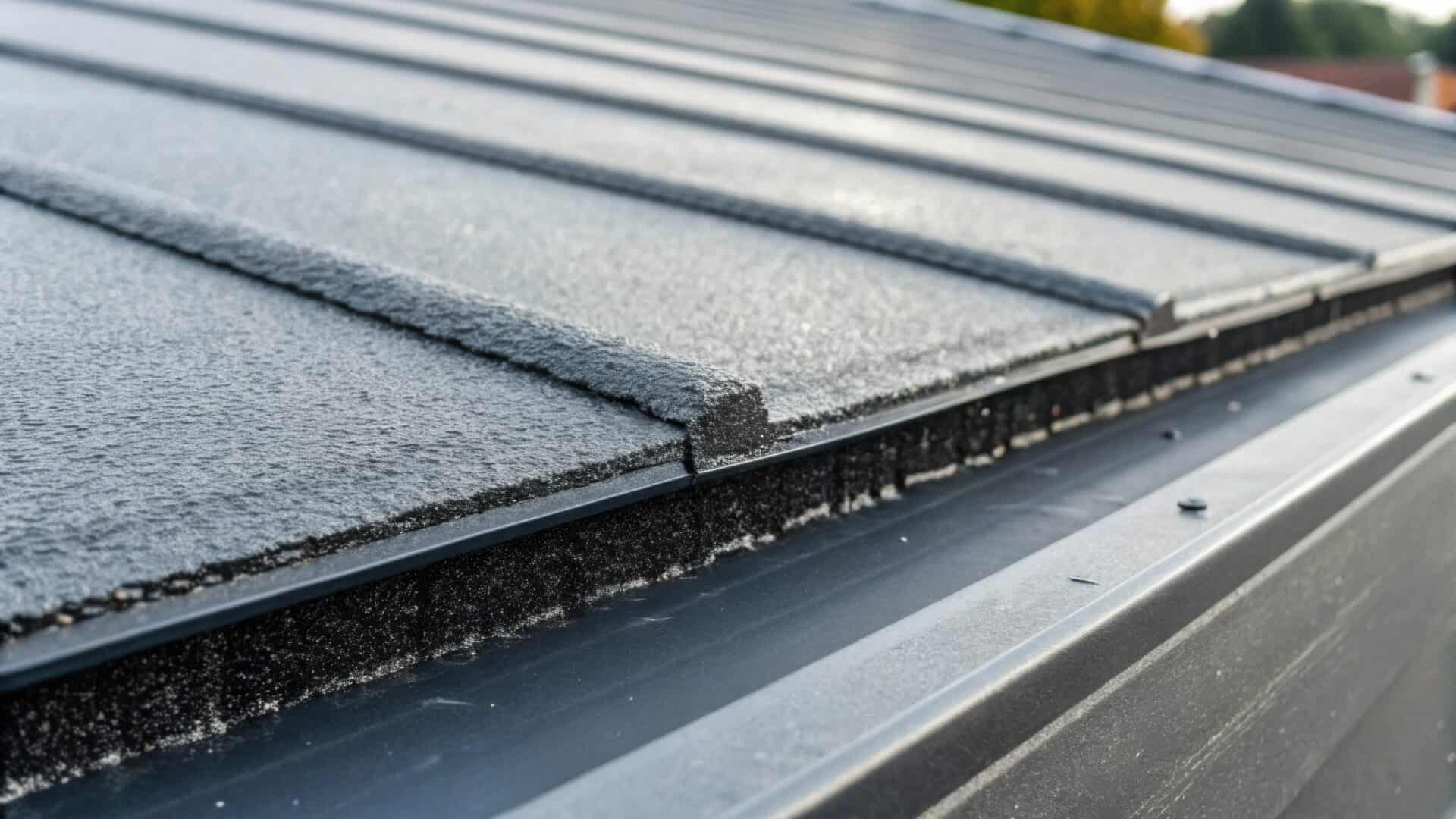
Roofing felt is a material that many homeowners have heard of, yet few fully understand. It plays a vital role in protecting properties across the UK, forming an important layer within both pitched and flat roofing systems. At Nulook Roofing, we regularly work with roofing felt on projects throughout North Yorkshire, and we know just how essential it is to the long-term performance of a roof.
As experienced roofers in Harrogate and the surrounding areas, we often explain to customers that roofing felt is not usually the visible outer layer of a pitched roof. Instead, it sits beneath the tiles or slates, acting as a secondary barrier against water and wind. Without it, even a well-tiled roof would be vulnerable to moisture penetration during heavy rain or strong winds, which are common in our part of the country.
Understanding the Purpose of Roofing Felt
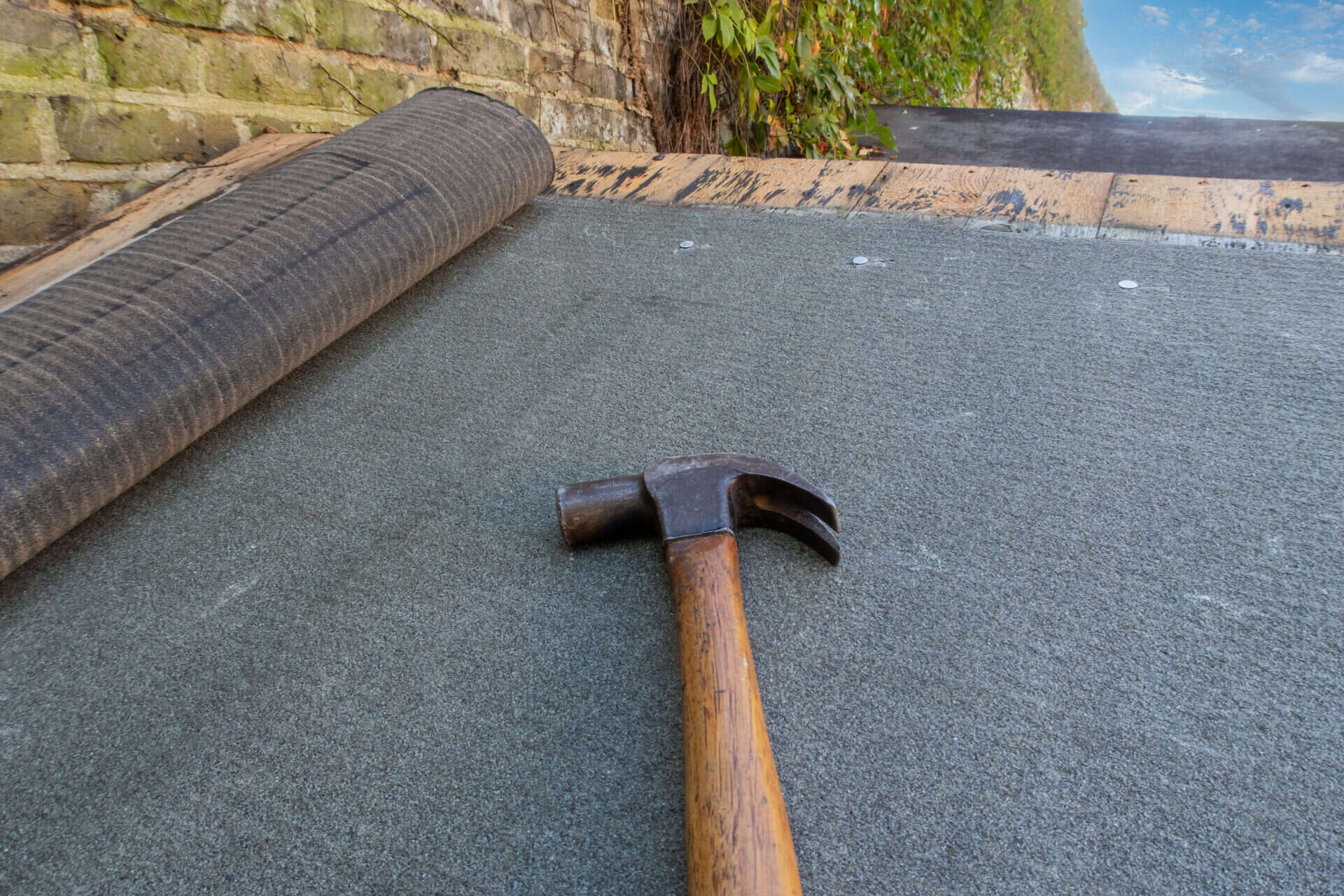
Roofing felt is designed to provide an additional layer of waterproof protection. On pitched roofs, it is installed directly over the rafters and beneath the battens and tiles. Its main job is to prevent water that slips past the tiles from reaching the roof structure. In the UK climate, where wind-driven rain is frequent, this protective layer is especially important.
In addition to waterproofing, roofing felt also helps reduce draughts and improves the overall airtightness of the roof. It acts as a temporary protective covering during construction, shielding the interior of the property before the outer tiles or slates are fitted. On flat roofs, felt can form the main waterproof layer itself, providing a sealed surface that prevents water ingress.
Without roofing felt, timber structures within the roof could become damp over time. This can lead to rot, mould, and costly structural damage.
What Is Roofing Felt Made From?
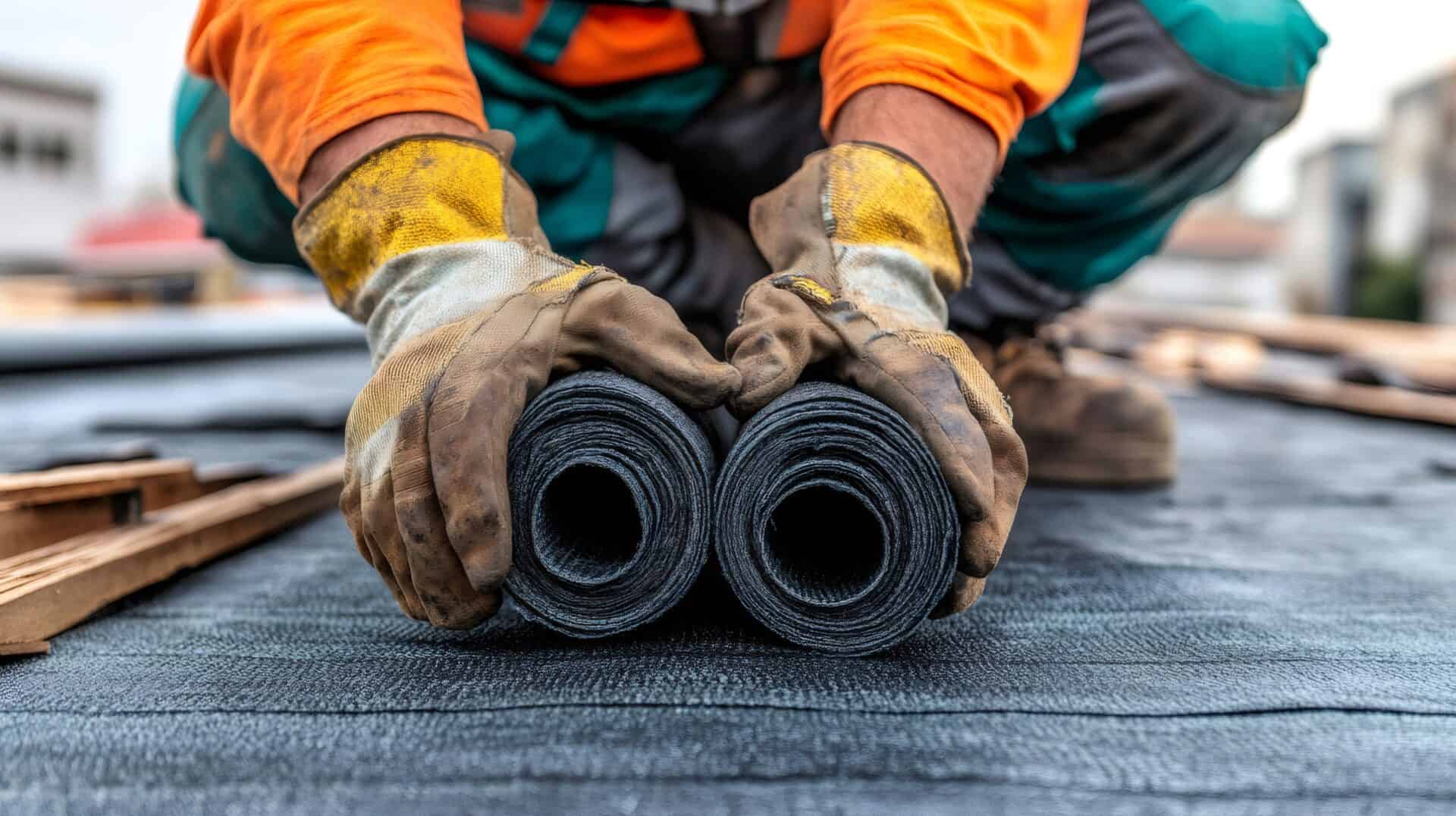
Traditional roofing felt was originally made using natural fibres saturated with bitumen, a sticky, waterproof substance derived from petroleum. This combination created a flexible yet water-resistant sheet that could be rolled out across the roof surface. Over time, materials and manufacturing processes have improved significantly.
Modern roofing felt is typically made from a fibreglass or polyester base, coated in bitumen to provide durability and waterproofing. These updated versions are much stronger and more resistant to tearing than older products. They are also better able to withstand temperature changes, which is important in the UK where roofs experience both freezing winters and warm summer days.
For flat roofs, high-performance felt systems are often applied in layers and bonded using heat. This creates a robust, watertight seal that can last for many years when installed correctly.
Roofing Felt on Pitched Roofs
On pitched roofs, roofing felt acts as a breathable or non-breathable membrane depending on the type used. Traditional non-breathable felt creates a solid barrier that blocks moisture from entering but requires proper ventilation to prevent condensation build-up inside the loft space.
Modern breathable membranes are designed to allow moisture vapour to escape from inside the property while still preventing rainwater from getting in. This reduces the risk of condensation and improves the overall health of the roof structure.
At Nulook Roofing, we carefully select the appropriate membrane for each project. For many homes in North Yorkshire, breathable felt is now the preferred option due to its improved performance and reduced risk of damp issues. However, the right choice always depends on the design and condition of the existing roof.
Roofing Felt on Flat Roofs
Flat roofing felt is slightly different from the membrane used on pitched roofs. In this case, the felt is often the main waterproof layer rather than a secondary barrier. Traditional torch-on felt systems involve applying layers of bitumen-based felt using controlled heat to bond them securely to the roof deck.
Modern flat roofing felt systems are far more durable than older versions. They are reinforced for added strength and designed to handle standing water more effectively. In areas like Harrogate and across North Yorkshire, where rainfall can be heavy and persistent, this durability is essential.
When installed professionally, a felt flat roof can provide reliable protection for many years. Regular inspections and maintenance are important to ensure seams remain sealed and drainage outlets stay clear.
How Long Does Roofing Felt Last?
The lifespan of roofing felt depends on where it is used and the type of product installed. On pitched roofs, underlay felt can last several decades when protected by tiles or slates. Because it is not directly exposed to the elements, it generally experiences less wear and tear.
On flat roofs, the felt is exposed to sunlight, rain, frost, and temperature fluctuations. Modern high-performance felt systems can last twenty years or more when installed correctly and maintained properly. Older systems may have a shorter lifespan, particularly if they were fitted many years ago using outdated materials.
Proper installation plays a significant role in longevity. Poorly fitted felt can develop wrinkles, gaps, or weak seams that allow water to penetrate. This is why choosing an experienced roofing contractor is essential.
Signs That Roofing Felt May Need Replacing
Over time, roofing felt can deteriorate, particularly on older properties. In pitched roofs, signs of failing felt may include visible tears or sagging material when viewed from inside the loft. You might also notice damp patches on insulation or timber, indicating water is bypassing the outer roof covering.
On flat roofs, cracks, blistering, or lifting seams can signal that the felt is nearing the end of its lifespan. Water pooling for extended periods may also point to underlying issues with the felt layer.
If you suspect a problem, it is always best to arrange a professional inspection. At Nulook Roofing, we assess the condition of roofing felt carefully and provide honest advice on whether repairs or replacement are required. Early action can prevent more serious structural damage.
The Importance of Professional Installation
Roofing felt may seem straightforward, but proper installation requires skill and experience. On pitched roofs, the felt must be laid with the correct overlap and securely fixed to prevent wind uplift. It must also integrate properly with other elements such as flashing and ventilation systems.
On flat roofs, achieving a watertight seal is critical. Seams must be carefully bonded, and edges must be properly detailed to prevent water ingress. Even small installation errors can lead to leaks and long-term damage.
At Nulook Roofing, we take pride in delivering high-quality workmanship on every project. Whether we are installing new felt as part of a re-roof or replacing an ageing flat roof system, we ensure every layer is fitted to the highest standard.
Final Thoughts on Roofing Felt
Roofing felt may not be the most visible part of a roof, but it is certainly one of the most important. It provides essential protection against water, wind, and condensation, helping to safeguard the structure of your home.
Modern roofing felt products are far more durable and efficient than older versions, offering improved performance and longevity. Whether used as an underlay on a pitched roof or as the primary waterproof layer on a flat roof, felt remains a reliable and widely used roofing material across the UK.
At Nulook Roofing, we believe in using quality materials and proven installation techniques to ensure long-lasting results. If you have concerns about your roofing felt or are planning a new roofing project, our experienced team is always happy to offer professional advice and guidance tailored to your property. Contact us today.